

Travis Heights, Austin: Historic Charm Next Door to South Congress

If Austin has a crown jewel, I’d argue it’s Travis Heights.
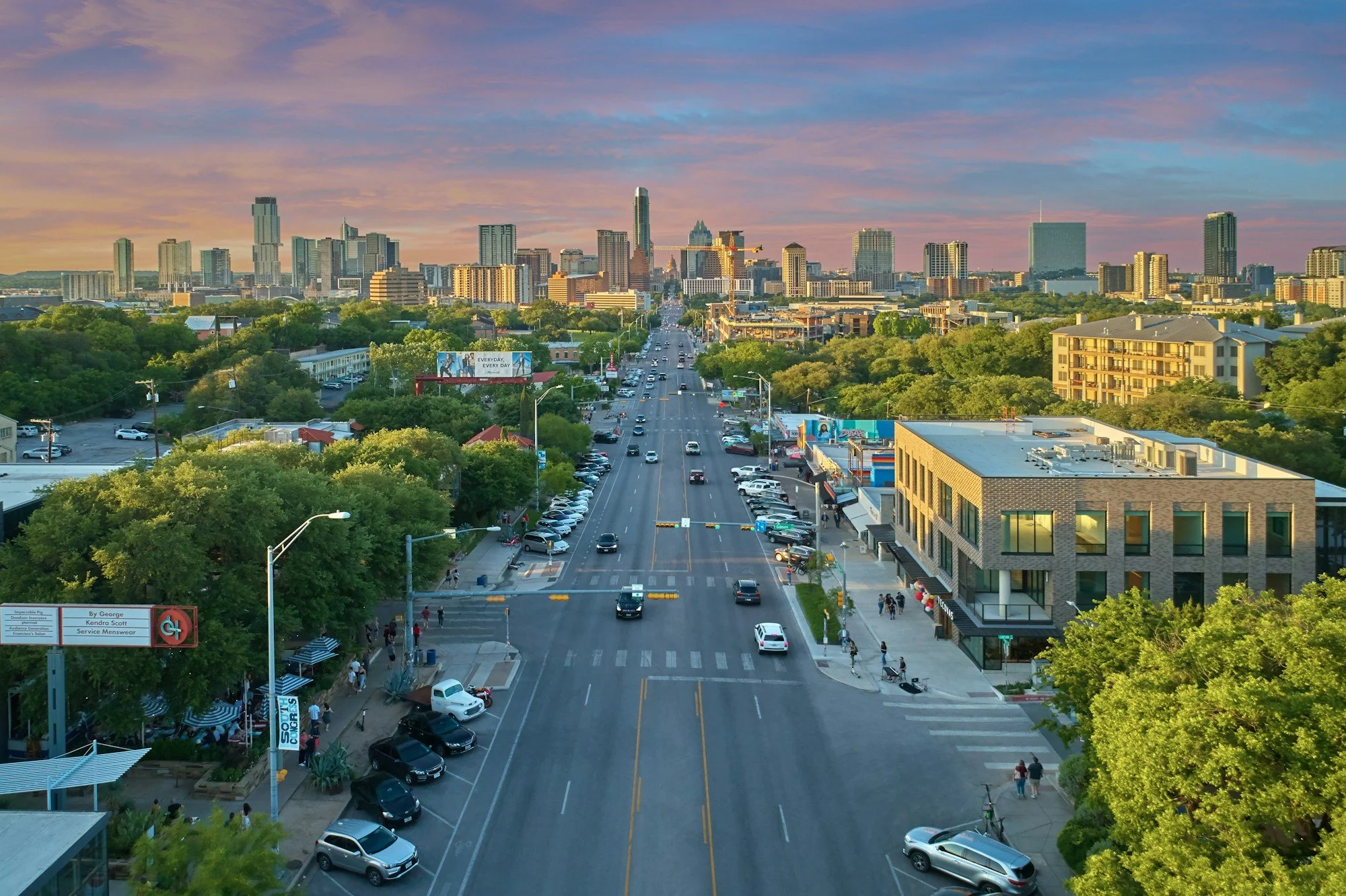
It’s one of the city’s most historic neighborhoods, it sits just across Lady Bird Lake from downtown, and South Congress is right at its edge.
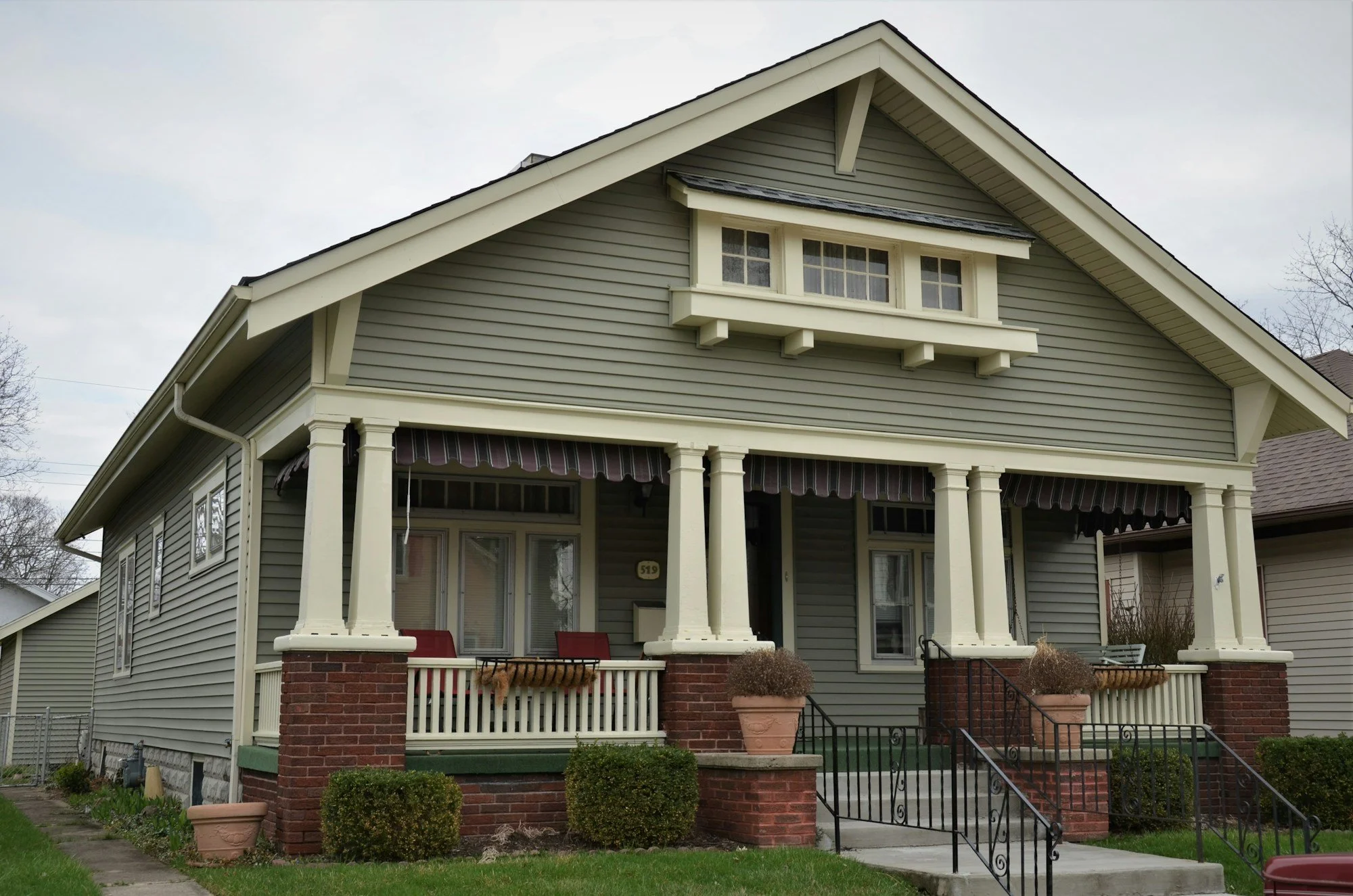
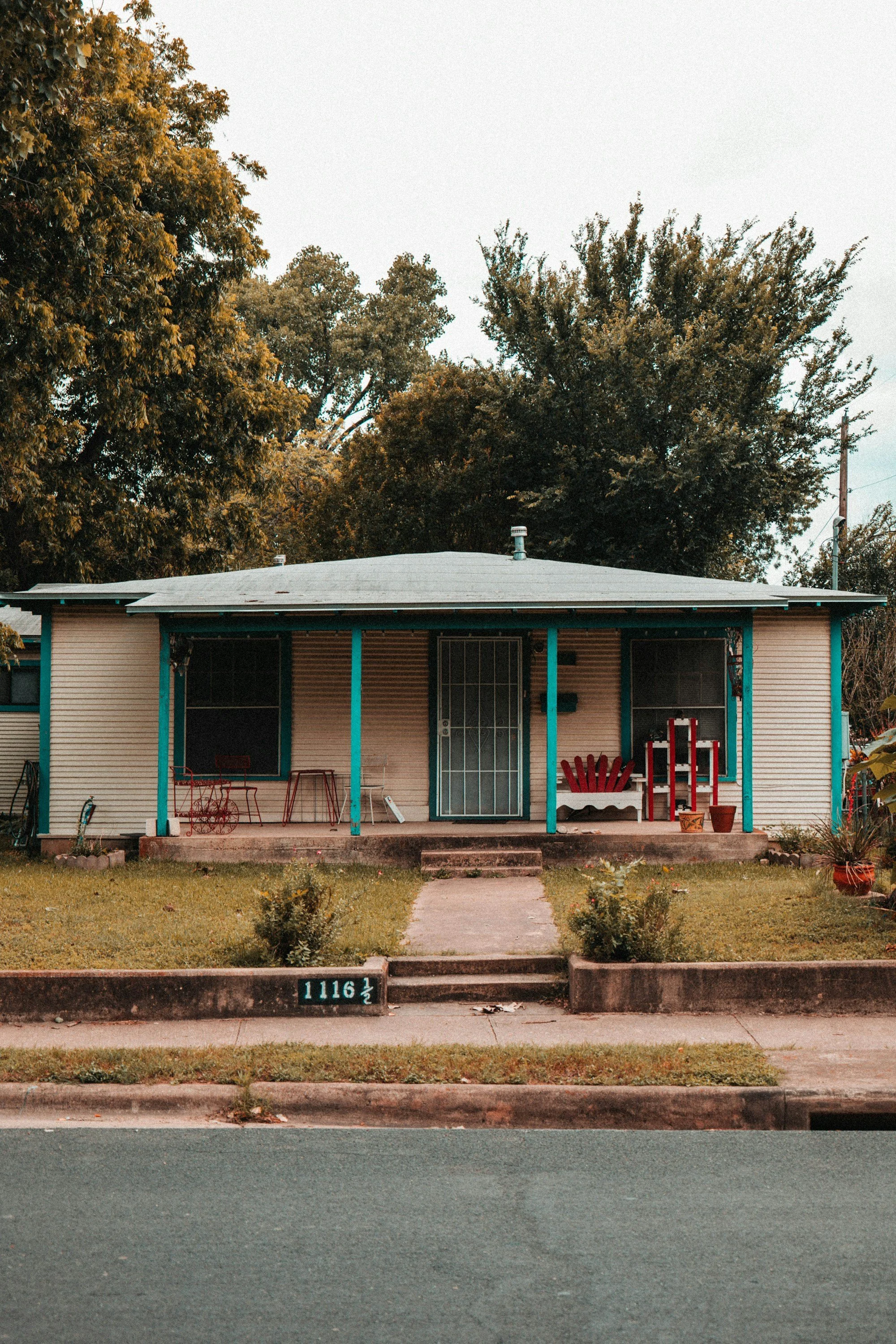
Walk any block and you’ll see why people fall for it: craftsman bungalows and Tudor cottages, front yards full of personality, and neighbors out walking their dogs.
Here’s my honest take on living here.


Who is Travis Heights a good fit for?
People who want convenience and culture: South Congress shops, restaurants and music, with downtown minutes away
Buyers who love an older home with character over a cookie-cutter floor plan
Second-home buyers who want a home base in the middle of everything
Anyone who wants to walk, not drive, for coffee, dinner or a trail
It’s probably not the right fit if you want a brand-new home on a big lot or a quiet street far from the action. Lots are smaller, homes are older, and South Congress brings energy (and visitors) close by.
What are homes like in Travis Heights, and what do they cost?
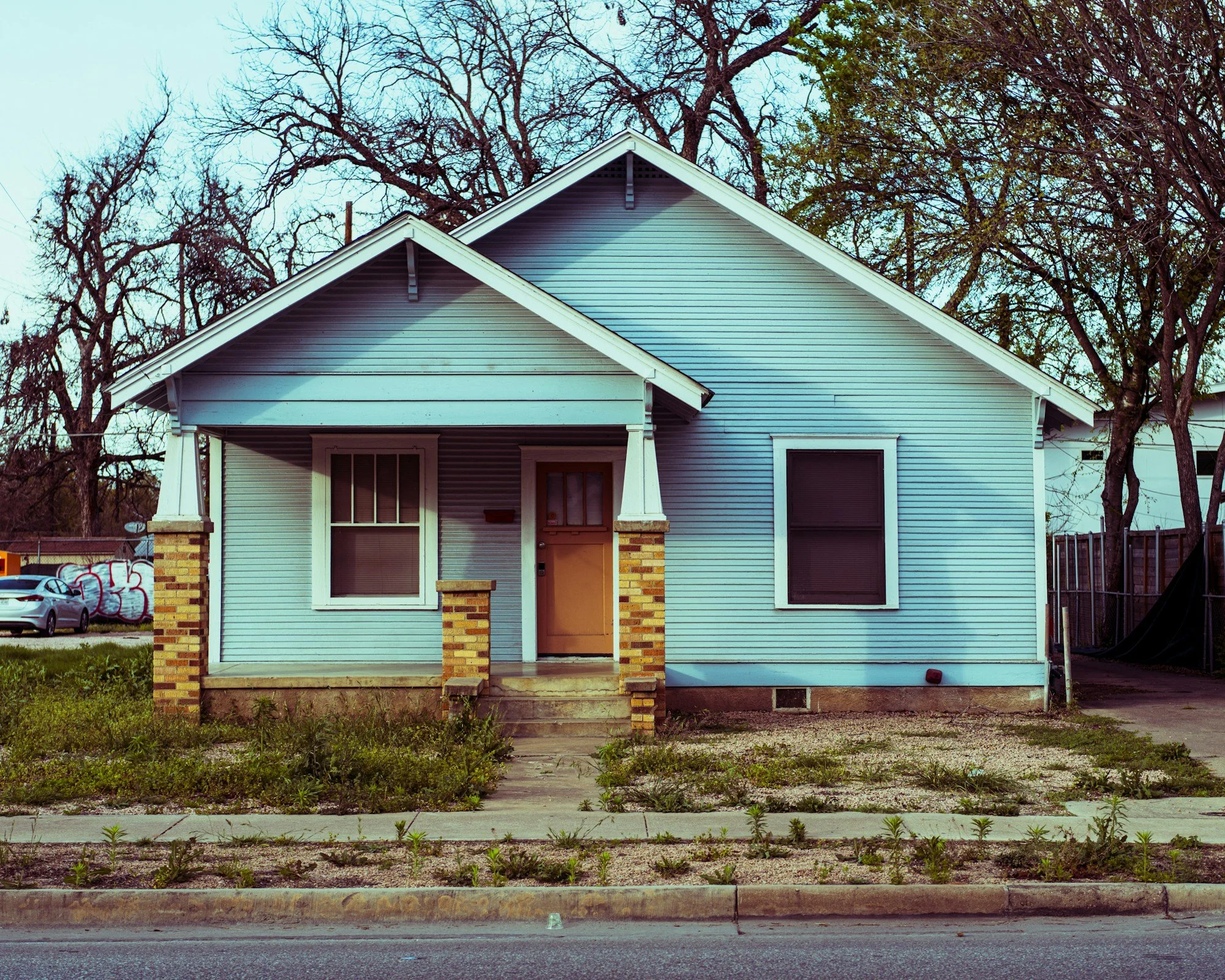
The classic Travis Heights home is a craftsman bungalow, with Tudors and other early 20th-century styles mixed in, plus some modern homes where older houses were replaced. Many streets wind and climb, so lots and views vary a lot from block to block. You’ll also find duplexes and small multi-unit properties, which open up some creative options.
Last 12 months in Travis Heights:
54 single-family homes sold, with a median sale price of $1,062,500
Prices ranged from $610,000 to $2.86 million
Median 32 days on market, down from 49 the year before
Updated or remodeled homes: $1,282,000 median. Homes sold as-is: $980,000 median
By size: 2 bedrooms $797,500 · 3 bedrooms $1,036,250 · 4 bedrooms $1,450,000
Closed single-family sales within S. Congress Ave., Riverside Dr., I-35 and Oltorf St., Nov 23, 2025 – Nov 22, 2026. Source: Unlock MLS. Deemed reliable but not guaranteed.
What do locals love about Travis Heights?
-
Shops, restaurants and live music, a short walk from much of the neighborhood. It’s the reason a lot of people fall for Travis Heights in the first place.
-
A salad-focused bistro on College Avenue, just off South Congress, with a patio under one of the biggest live oaks you’ll ever eat beneath.
-
Coffee in the morning, natural wine and sourdough pizza at night, and a bike shop, all in a reimagined old convenience store on South Congress.
-
A family-owned Greek restaurant on East Oltorf with mezze, lamb chops and a great Greek wine list. My pick for date night.
-
Green space and a creekside trail right in the middle of the neighborhood, plus some of the most charming streets in Austin for an evening walk.

Can you renovate or rebuild in Travis Heights?
In 2021, Travis Heights–Fairview Park was listed on the National Register of Historic Places, with about 900 contributing buildings. That listing comes with real city oversight, and I’ve seen it catch homeowners and builders off guard.
Exterior changes and additions: if a home is a “contributing” property, exterior alterations, additions and permanent site work need a City of Austin historic review, measured against the city’s Historic Design Standards. Ground-up new construction anywhere in the district needs historic review too.
Time: projects that go before the Historic Landmark Commission can take up to about 75 days from the first hearing, before regular permitting even starts.
Tear-downs: the commission can hold a demolition permit for a contributing home for up to 180 days, must review plans for what will replace it, and in some cases has started the process to landmark the house instead.
Stricter pockets: the Mary Street Local Historic District has its own design standards, and some older subdivisions carry their own deed restrictions.
If you’re buying with plans to add on, change the exterior or rebuild, budget extra time and talk to an architect who knows Austin’s historic review before you close. I’ll help you find out whether a home is contributing, which rules apply, and what’s been approved nearby.
A Travis Heights family compound
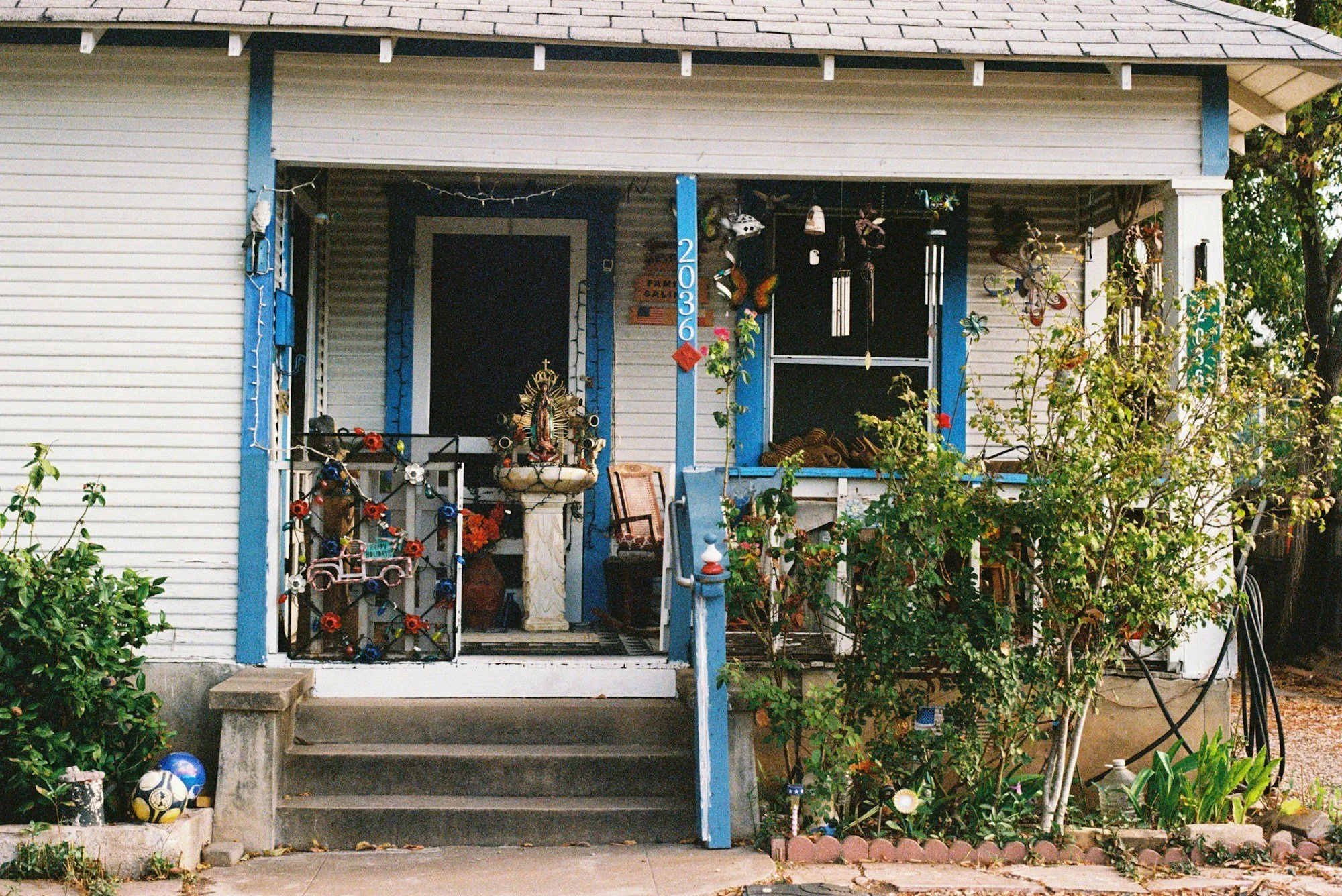
One of my clients bought a Travis Heights duplex right next door to his family, who had turned their own duplex into a single-family home. Now his grandkids live next door.
He converted his duplex into two condos, kept one as his second home, and sold the other to a family member, who leases it out. It’s basically a family compound, and it’s the kind of thing you can only pull off in a neighborhood like this.
Selling in Travis Heights?
Prices have held steady around $1 million, and homes are selling faster than they did a year ago. The biggest lever is condition: over the last 12 months, updated homes sold for roughly $300,000 more than homes that needed work.
If you’re thinking about selling, that gap is worth a conversation before you list. My Pre-Market Edit helps you decide which updates are actually worth making.
Travis Heights FAQs
-
Much of it is. Homes closer to South Congress can walk to shops and restaurants, and even the farther blocks are an easy stroll. The hills and winding streets make some walks a workout.
-
Over the last 12 months, single-family homes sold for a median of about $1.06 million, from around $610,000 to $2.86 million. Updated homes sold for a median of about $1.28 million.
-
Yes, it's a National Register district, and the City takes design review seriously here. Exterior changes and additions to contributing homes, and any new construction, need historic review. Demolitions can be delayed up to 180 days, and the Historic Landmark Commission can start the process to landmark a house instead. Plan for extra time and check the specific property before you buy.
-
It's in Austin ISD, and many homes are zoned to Travis Heights Elementary, Lively Middle School and Travis Early College High School. Austin ISD has been consolidating schools and redrawing some boundaries, so I check every address with the district's school finder before you make an offer.
-
Blunn Creek runs through the neighborhood, so homes near the creek can be in or near the floodplain, while most streets sit well above it. I pull the FEMA and City of Austin floodplain maps for every home, review the seller's disclosure, and help you get a flood insurance quote before you commit.

Thinking about Travis Heights?
Whether you’re buying, selling, or just curious what your home is worth, let’s talk.
I’ll tell you honestly whether Travis Heights fits what you’re looking for, and if it doesn’t, where I’d look instead.
Not sure Travis Heights is the one?
Tell me how you want to live, what you want to spend and where you need to be each day. I’ll help you find the Austin neighborhood that fits.